Projects

A rolling selection of what we've made. Photos and case studies coming.

Plastic rollers for the food industry

Plastic rollers for the food industry

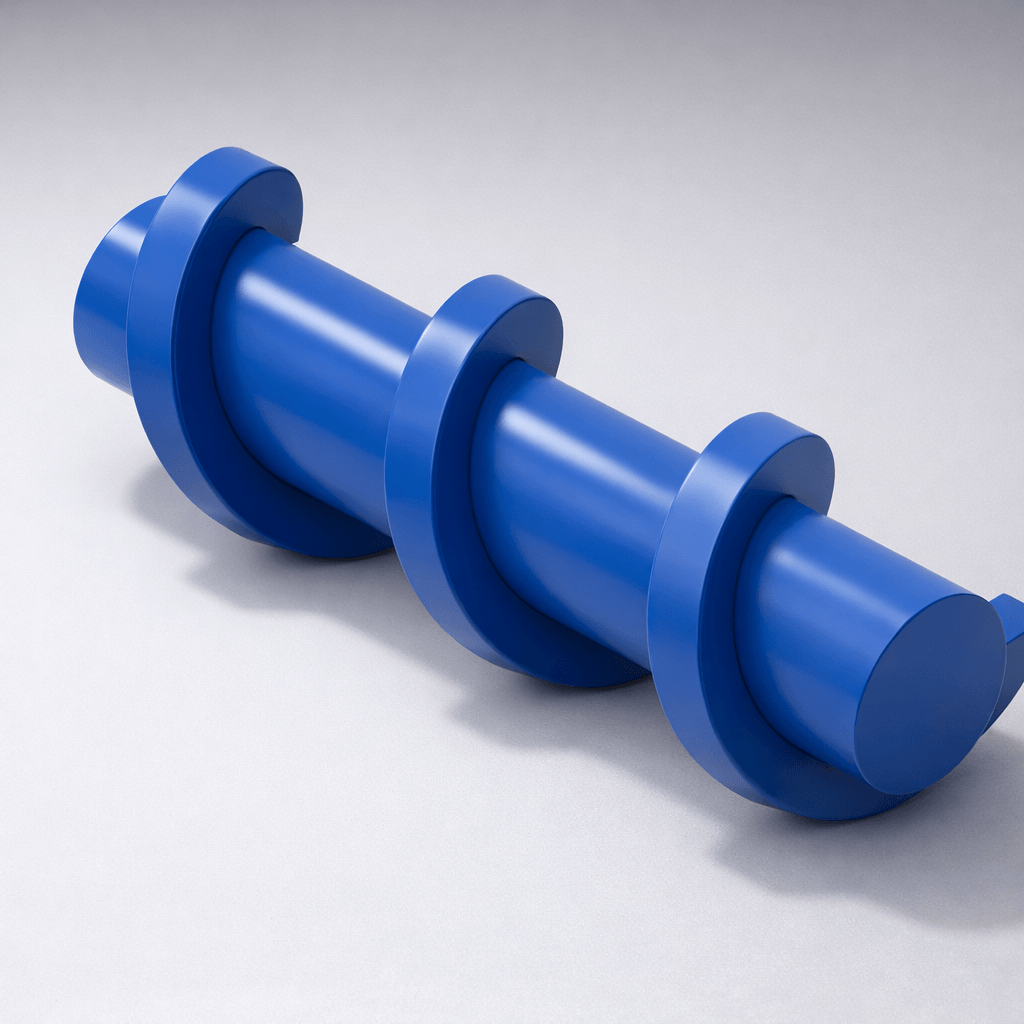
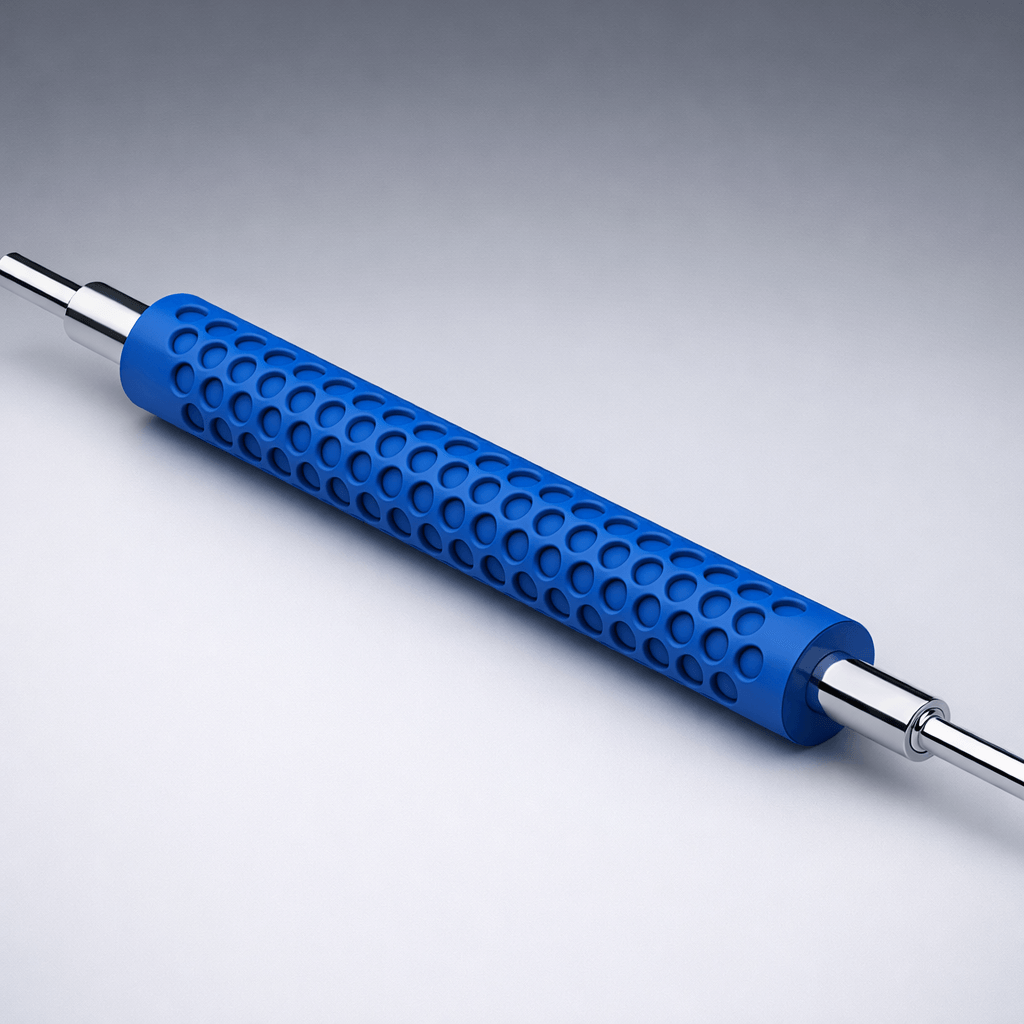
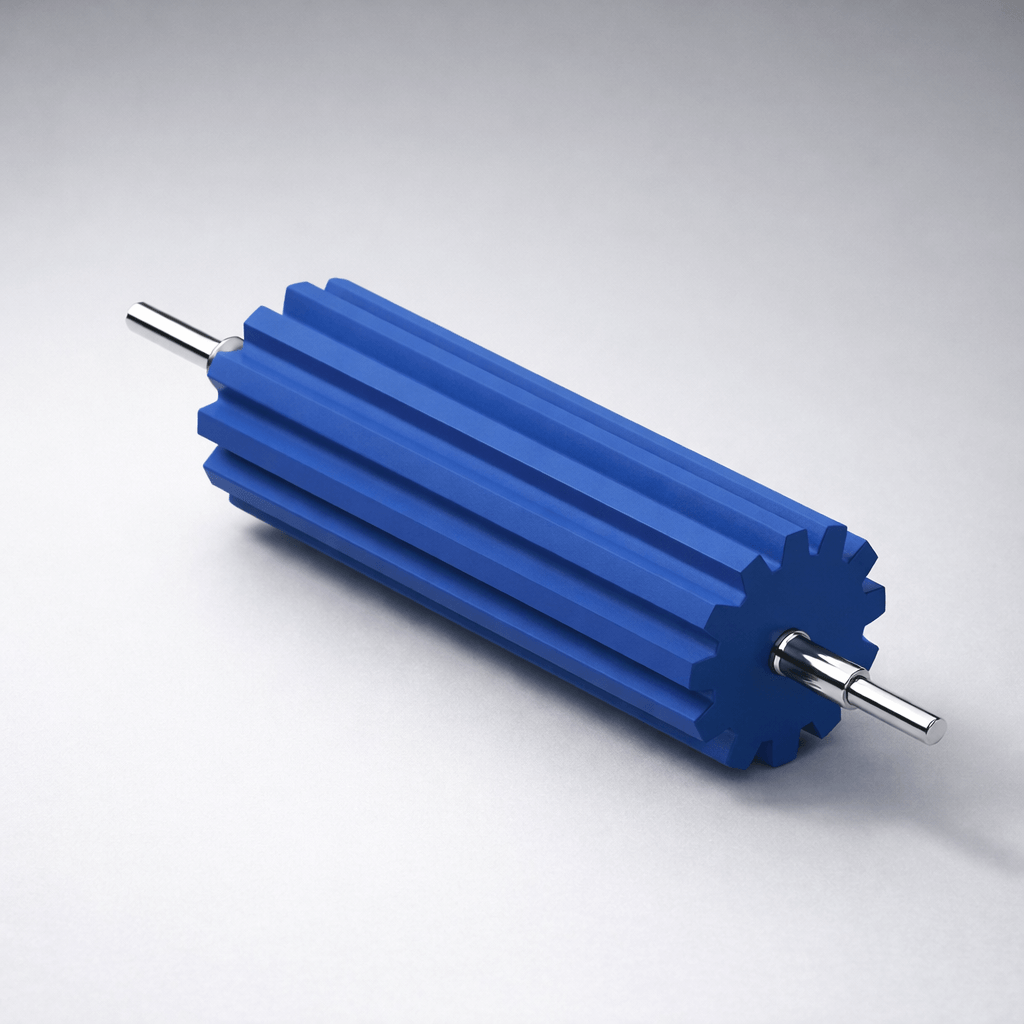
Plastic cladding on metal or plastic shafts — smooth or with a milled-in pattern, in food-grade blue HDPE or industrial HDPE/PP.

Client: Food industryMaterial: Food-grade HDPE (blue), HDPE, PPYear: 2026

For the food industry we produce rollers in which a plastic layer is printed directly onto a metal core shaft. Think dough rollers, conveyor rollers and guide rollers — anywhere steel can't be in direct contact with product or wet processes, but the stiffness of a metal shaft is still wanted.

By default we use food-grade HDPE in the familiar blue for food contact, or HDPE / PP for industrial environments where food certification isn't required. The base doesn't have to be steel either — an existing plastic core can be re-clad once the old layer is worn.

Finishing happens in the same setup. A smooth cylinder can be delivered straight off the printer, but we can also print patterns into the surface directly, or mill them in afterwards — grip profiles, transport profiles, or shapes that suit the product running over the roller.

Conventionally, cladding shafts is a multi-step process with shrink sleeves, cast bonds or mechanical fixing — labour-intensive and with hard limits on shape. Printing directly onto the core gives us one continuous, well-bonded layer, better dimensional accuracy, and the freedom to adapt geometry to what the application actually needs. Fewer steps, better quality, and shapes that simply weren't deliverable before.
Plastic rollers for the food industry — 2Plastic rollers for the food industry — 3
Reducers for infrastructure: concentric, eccentric, made to order

Reducers for infrastructure: concentric, eccentric, made to order

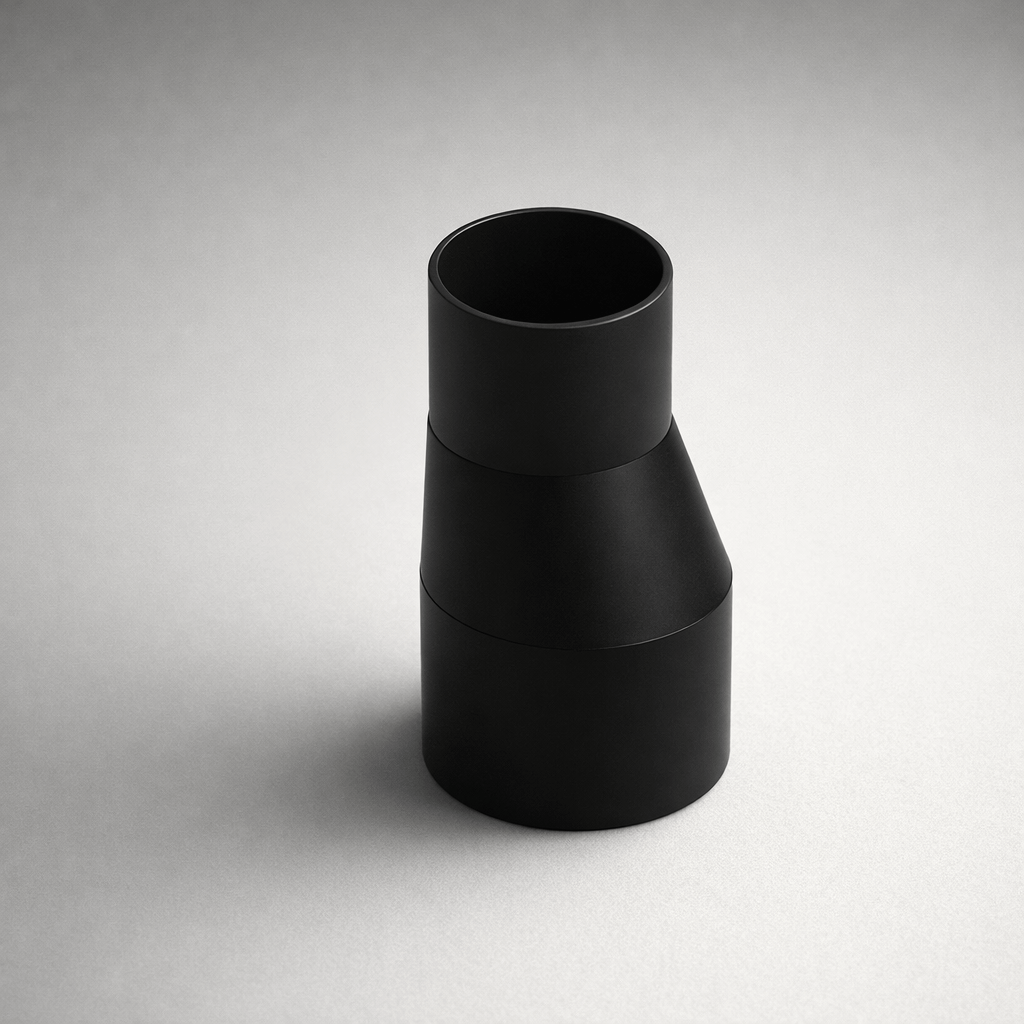
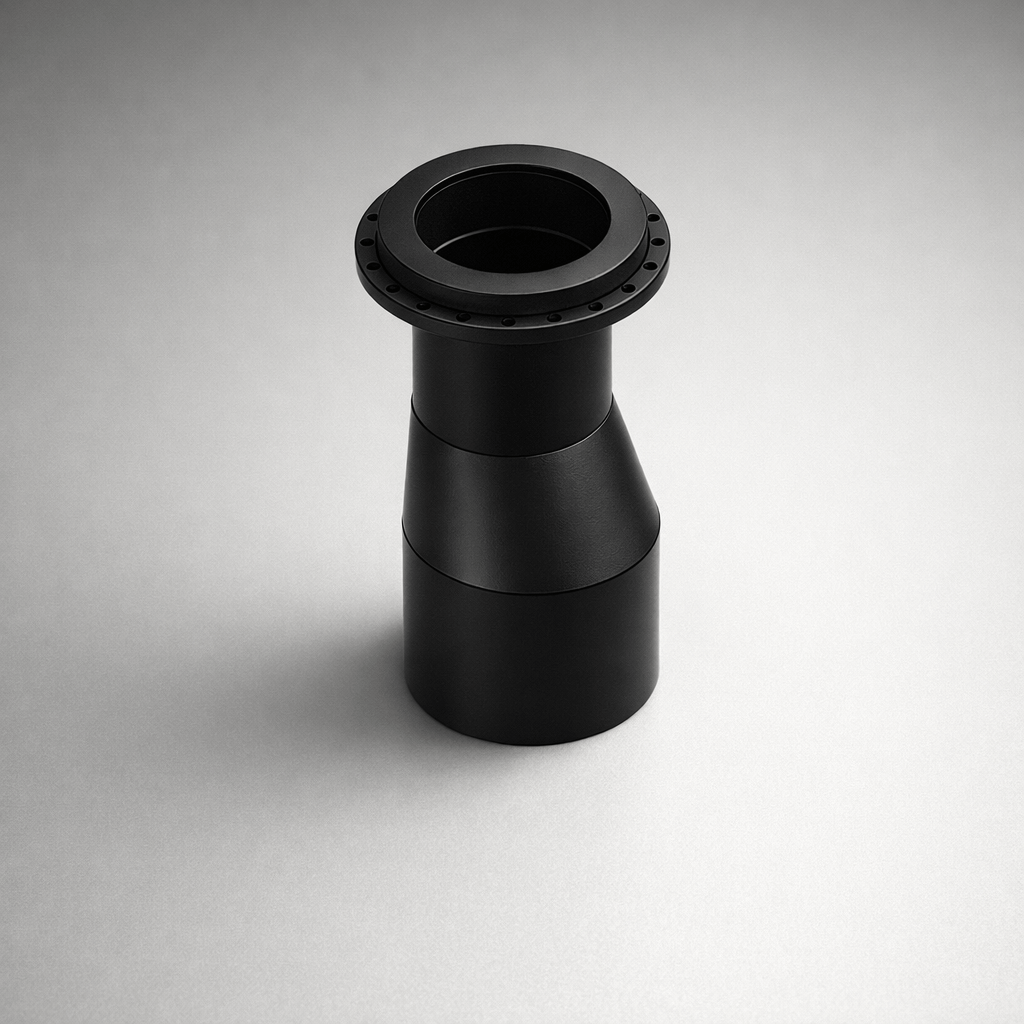
Concentric and eccentric HDPE reducers for pipework, up to Ø650 → 500 mm with wall thicknesses to ~40 mm — including machined ends and printed-in flanges.

Client: Infra contractors and pipeline buildersMaterial: HDPE (SDR17, wall ~40 mm)Year: 2026

For the infrastructure sector we print made-to-measure pipe reducers: concentric reducers, eccentric reducers, or whatever transition a routing actually needs. Every reducer size required on site — not just the variants that happen to be on a shelf.

A typical project is, for example, a reducer from Ø650 mm to Ø500 mm in SDR17, with a wall thickness of around 40 mm in HDPE. That combination of diameter, material and wall thickness is hard to deliver with conventional processes — printed, it's a continuous, homogeneous structure without weld seams through the critical section. Up to the build envelope of our installation, size is barely a constraint.

We machine the ends smooth to exact pipe size, so slip-on couplers fit straight onto the reducer. Where the field installation calls for bolted connections, we print flanges directly onto the part at one or both ends — no separate welding job, no extra supplier.

The biggest advantage is in the eccentric reducers. Conventionally these take a lot of manhours — cutting segments, fitting, welding, inspecting. Printing the part in one go removes most of that work. For one-offs, small series or non-standard sizes that means much faster lead times and a consistent end result, without the variation that comes with manual build-up.

Reducers for infrastructure: concentric, eccentric, made to order — 2
Furniture, planters and vases

Furniture, planters and vases

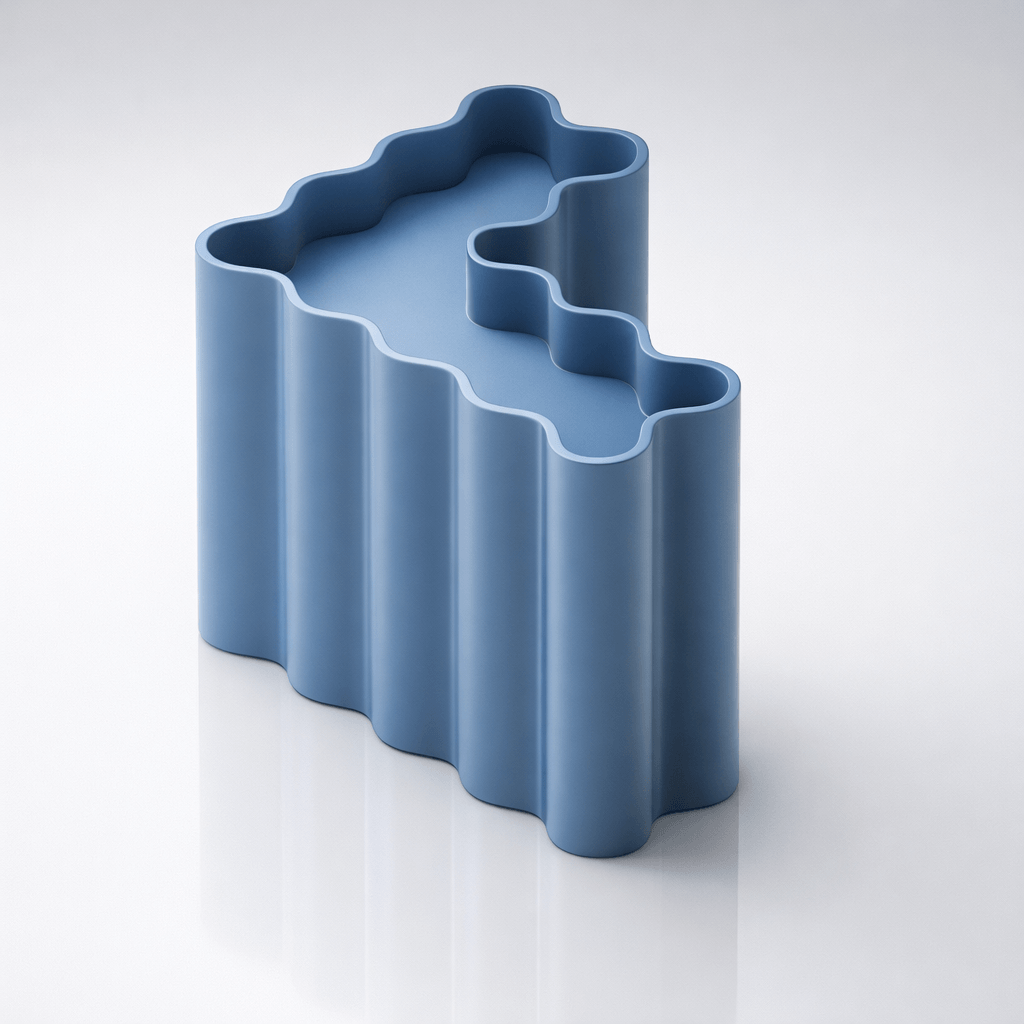
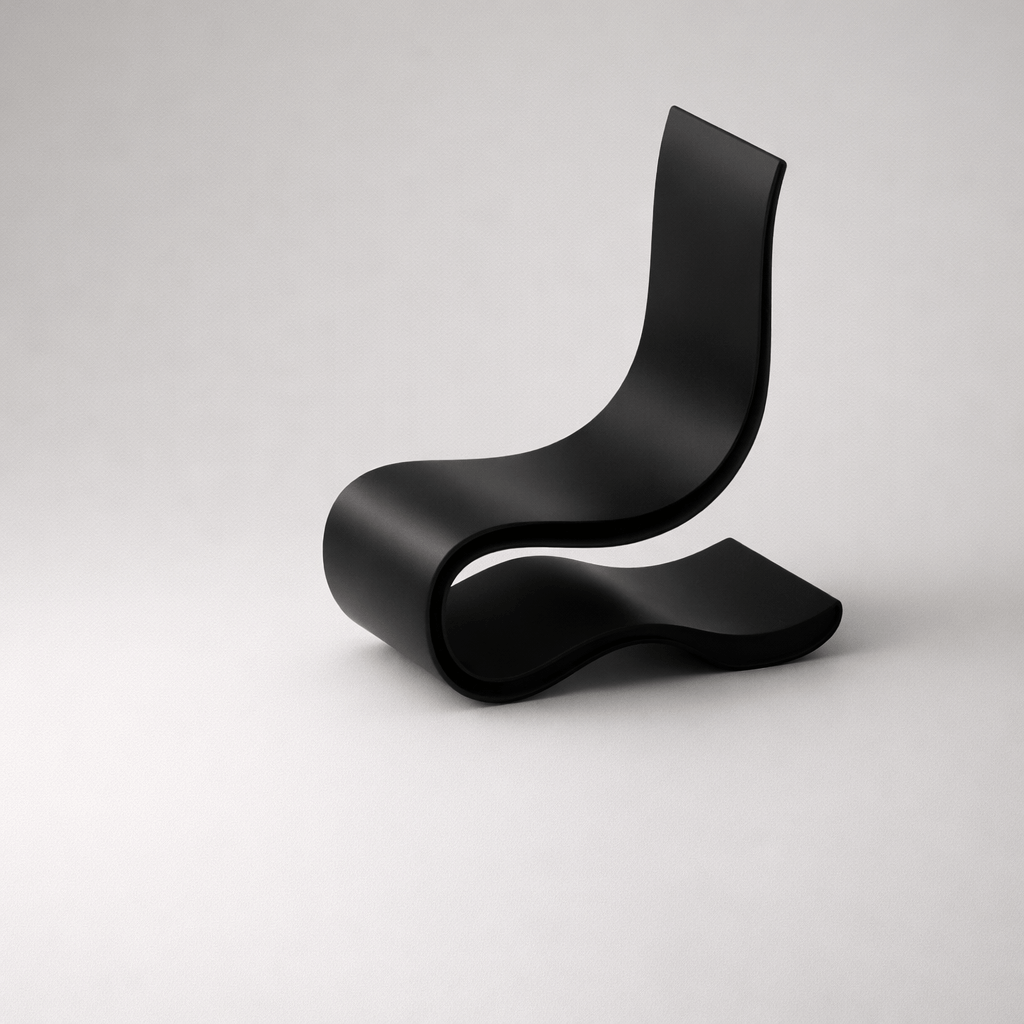
Organic, flowing shapes for furniture and interiors — printed at scale in robust HDPE.

Client: Various commissionersMaterial: HDPE — 100% recyclateYear: 2026

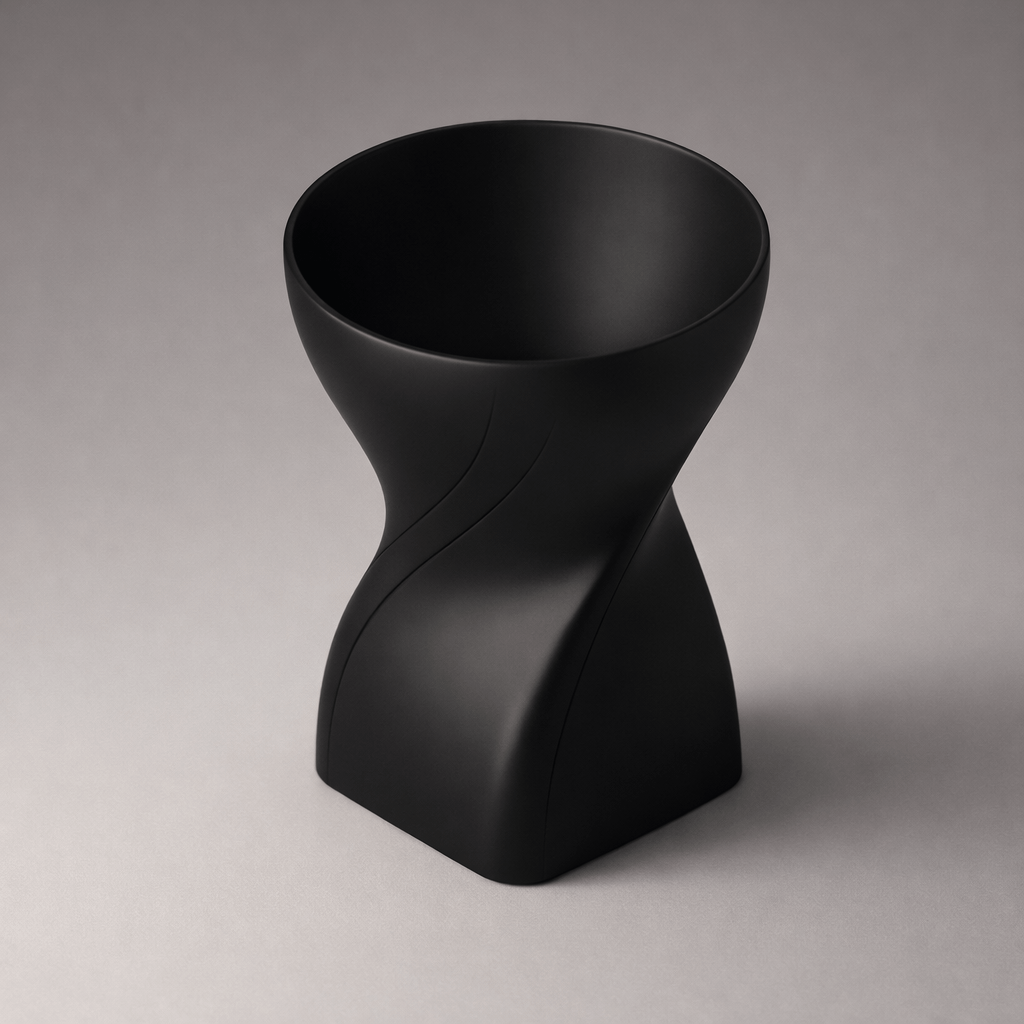
Alongside the industrial work, we regularly take on commissions where the shape itself is the design: furniture, planters and vases with organic, flowing contours that you can't conventionally pull from a mould or a sheet — or only at high cost.

The robot arm builds the piece layer by layer up to 4 × 4 × 8 metres, so size is rarely the limit. Designers can work out curved surfaces, hollow interiors or asymmetric silhouettes freely — we print it as a single piece, without seams or assembly points.

The material is usually HDPE based on recyclate: weather-resistant enough for outdoor placement, sturdy enough for seating, and reworkable at end of life. Where wanted we mill the surface afterwards for a sharper finish or a specific fit.

The approach suits projects where one-offs or small series make sense — public art, interior elements, planting in public spaces — because there's no mould or start-up cost making the first few units uneconomic.

Furniture, planters and vases — 2Furniture, planters and vases — 3